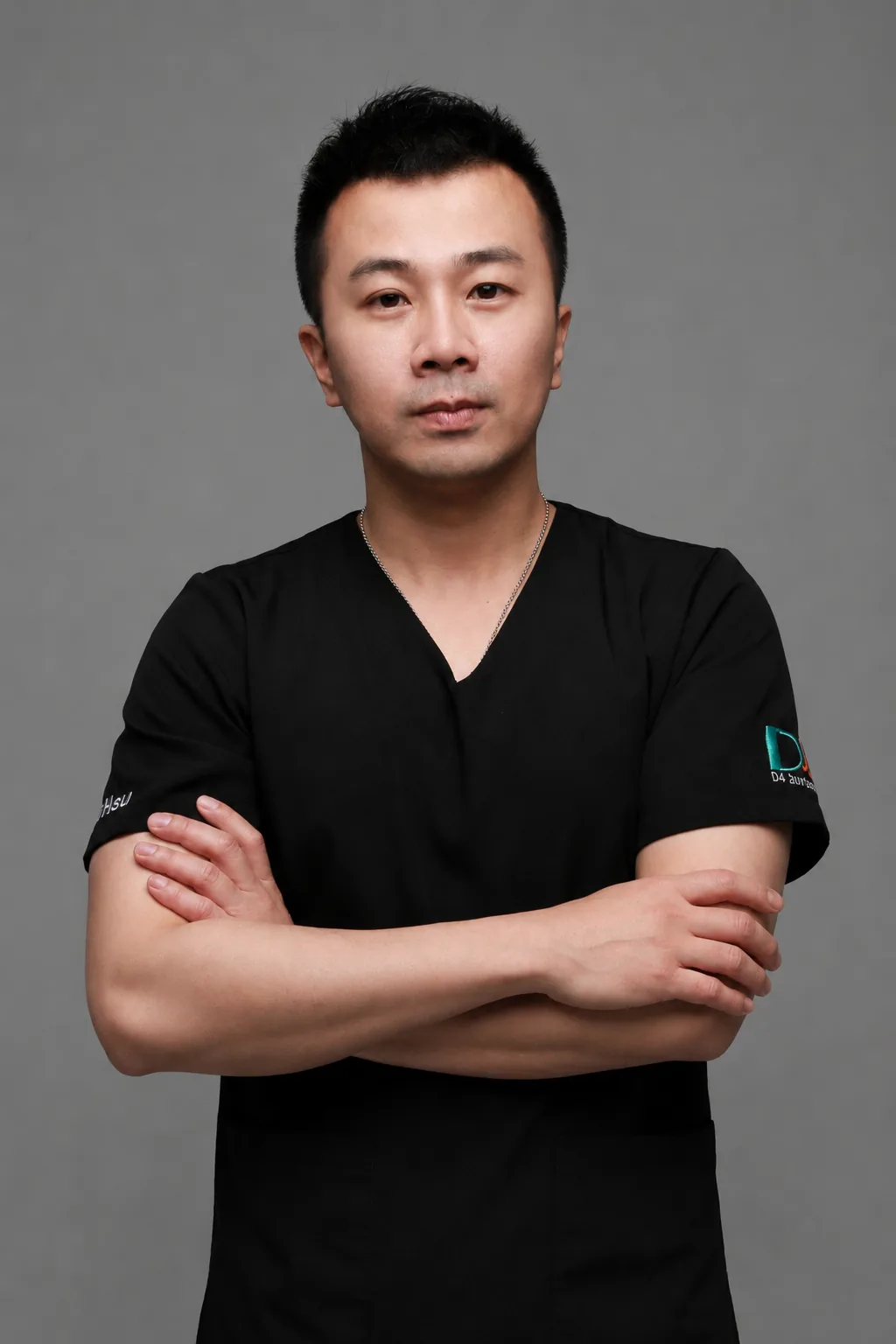
Dr. Herman Hsu许恒恺
- DSD KOL
- DSD Instructor
- DSD Master
- Clinical focus
- Digital Smile DesignAesthetic restorations
- Education
- Bachelor of Stomatology, Shanghai Jiao Tong University School of MedicineBachelor's degree, McGill University
 D4 Dental Clinic
ABOUT D4
Imaging, scans, photographs, and design records come together in one treatment pathway. They help clinicians see structure, function, and aesthetics as a connected picture, while helping patients understand their concerns and choices. D4 organizes information, communication, design, treatment, and long-term maintenance into one clear clinical plan.
CLINICAL TEAM
Treatment decisions at D4 bring different clinical perspectives into one discussion of information, limitations, patient goals, and long-term maintenance.
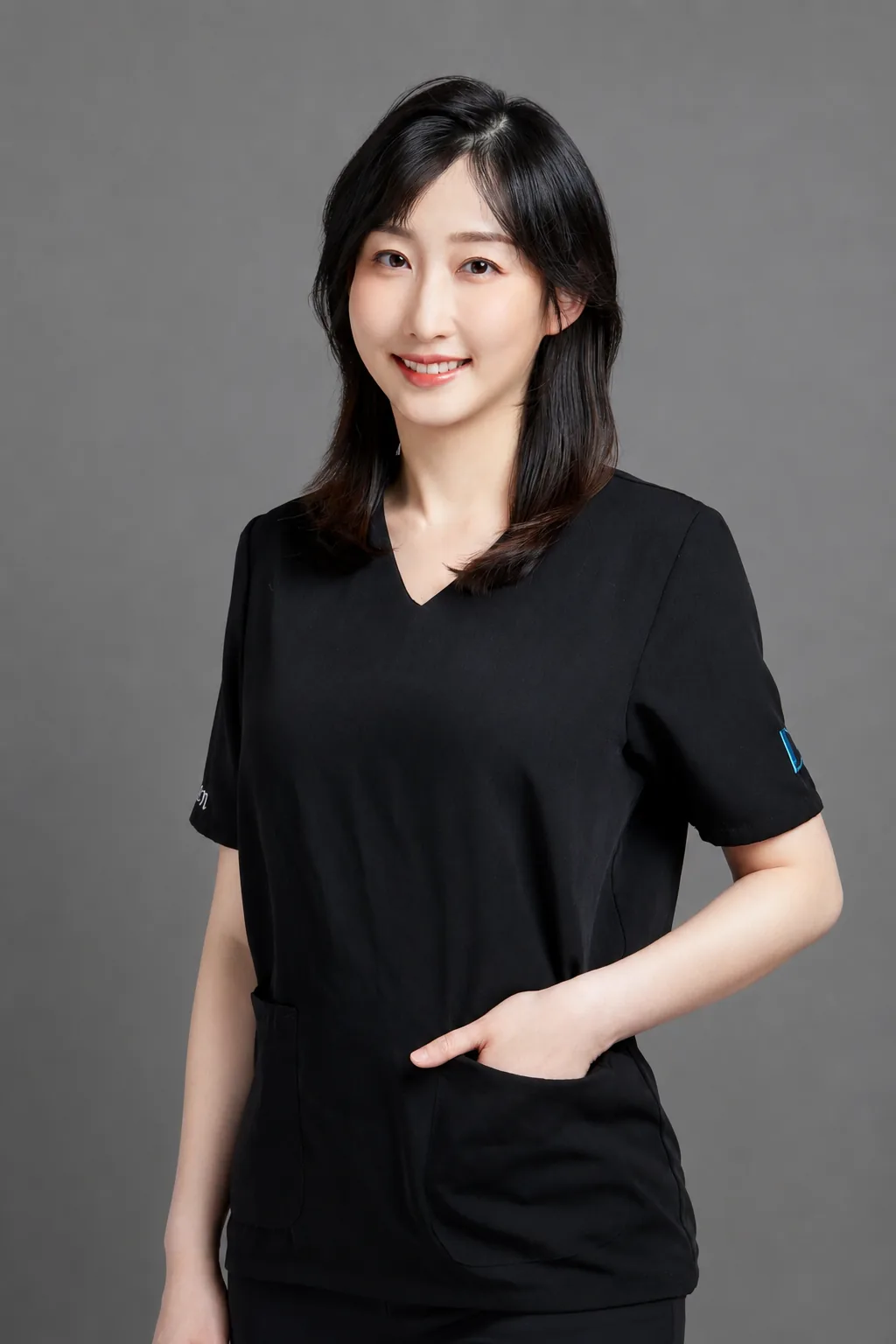
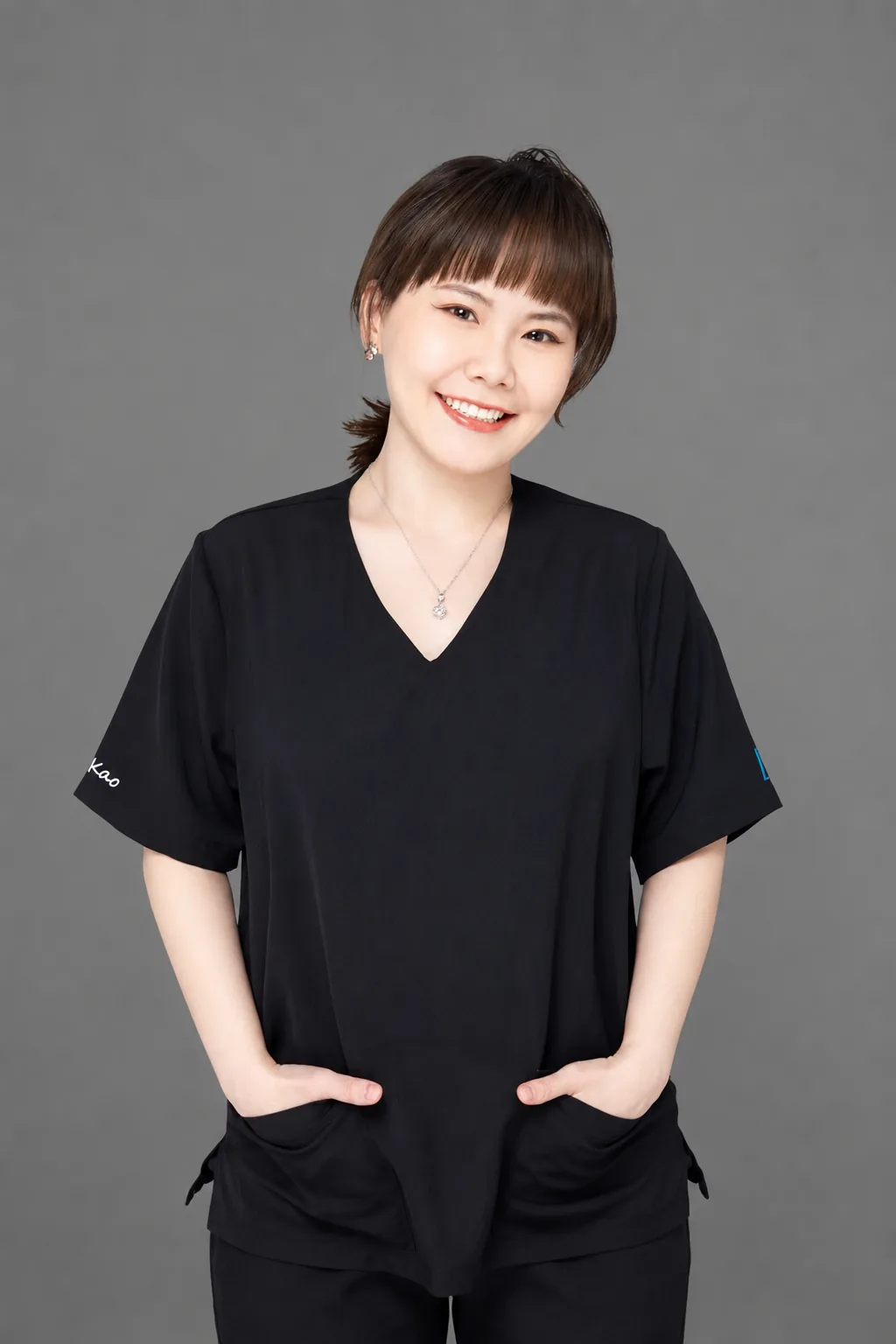
The D4 clinical team includes two DSD Master clinicians, one of whom is also a DSD KOL.
This professional foundation works together with D4’s wider experience across periodontics, pediatric dentistry, orthodontics, implant dentistry, aesthetic restoration, and digital technician collaboration, adding further depth to digital design, smile analysis, and complex pre-treatment planning.
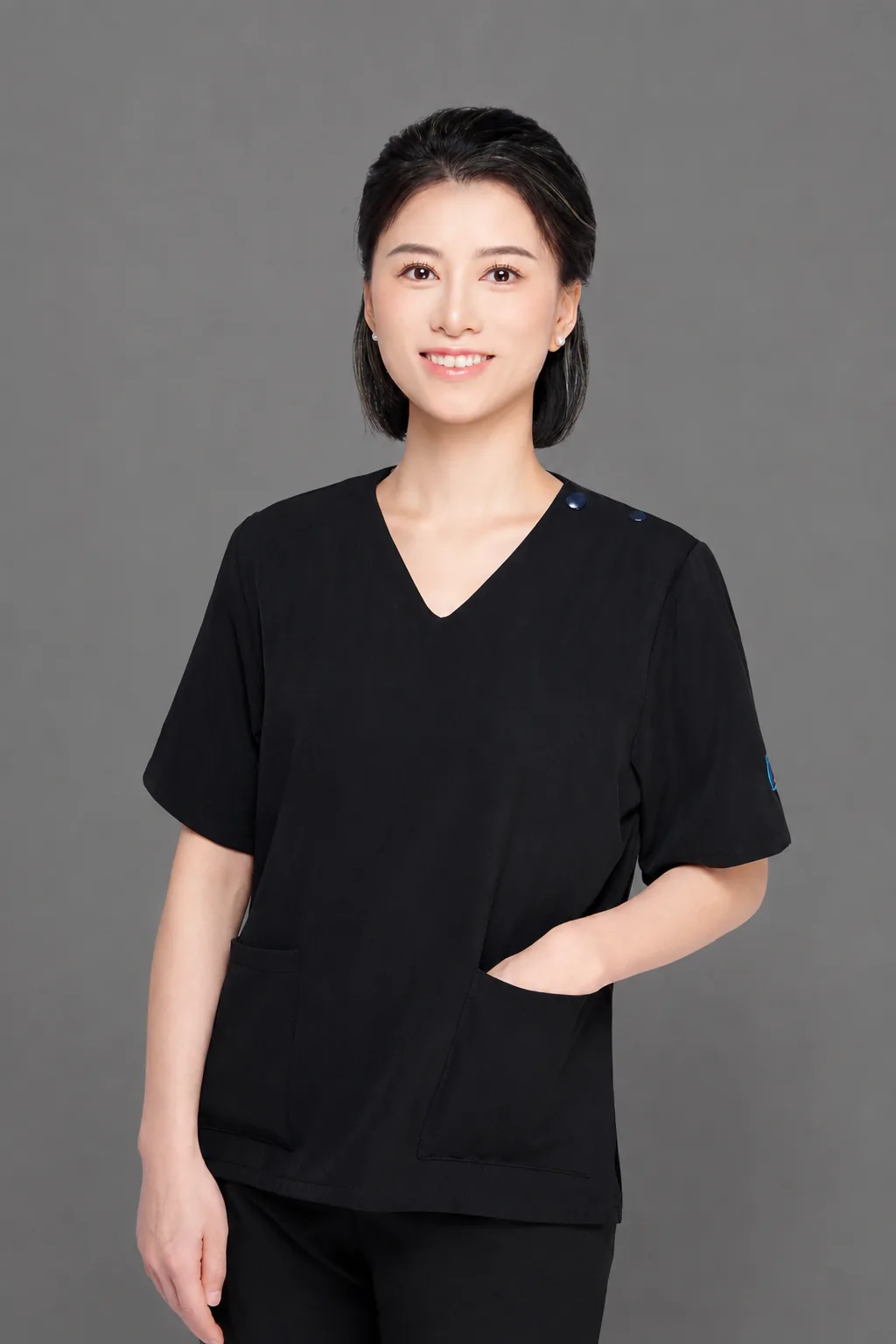
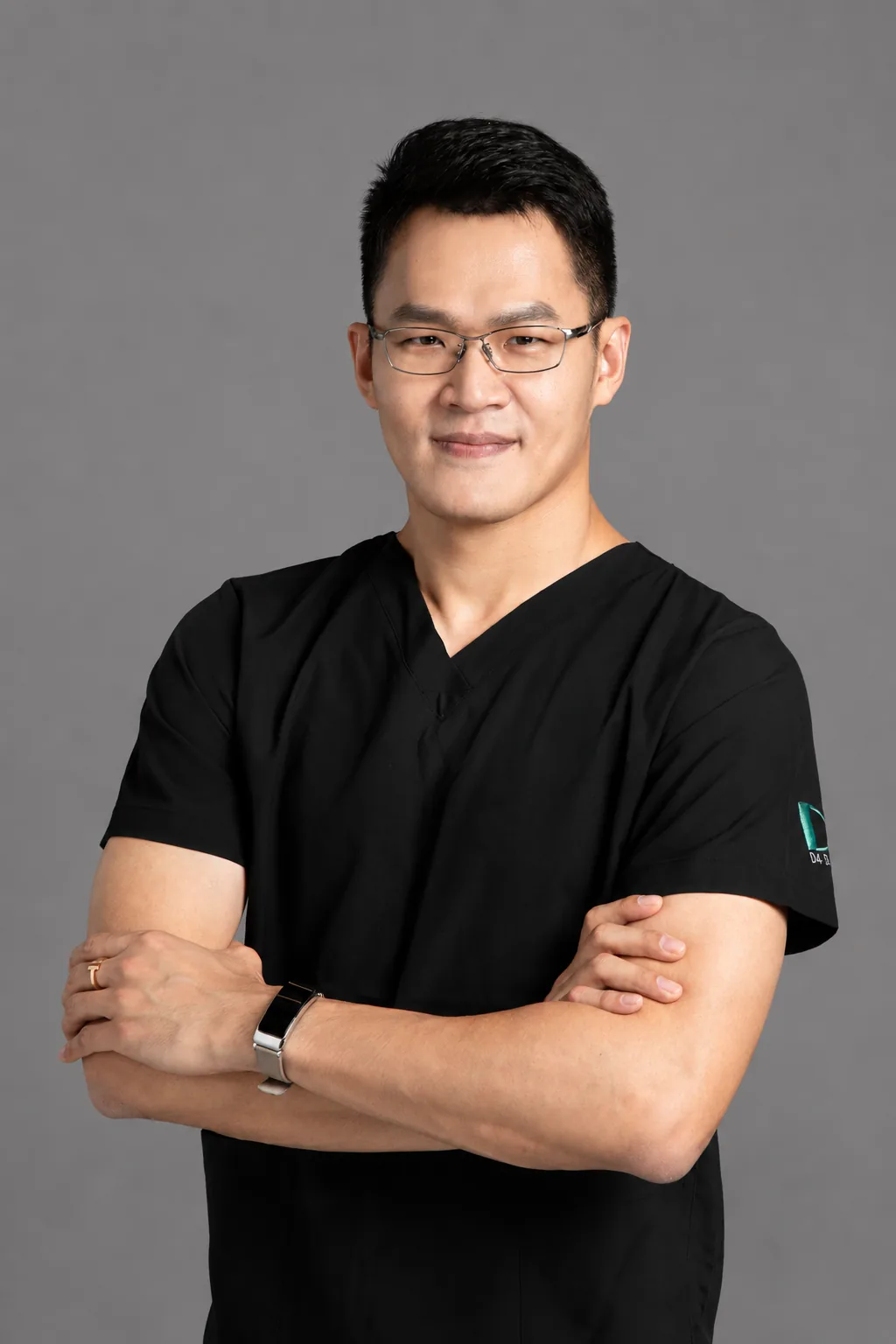
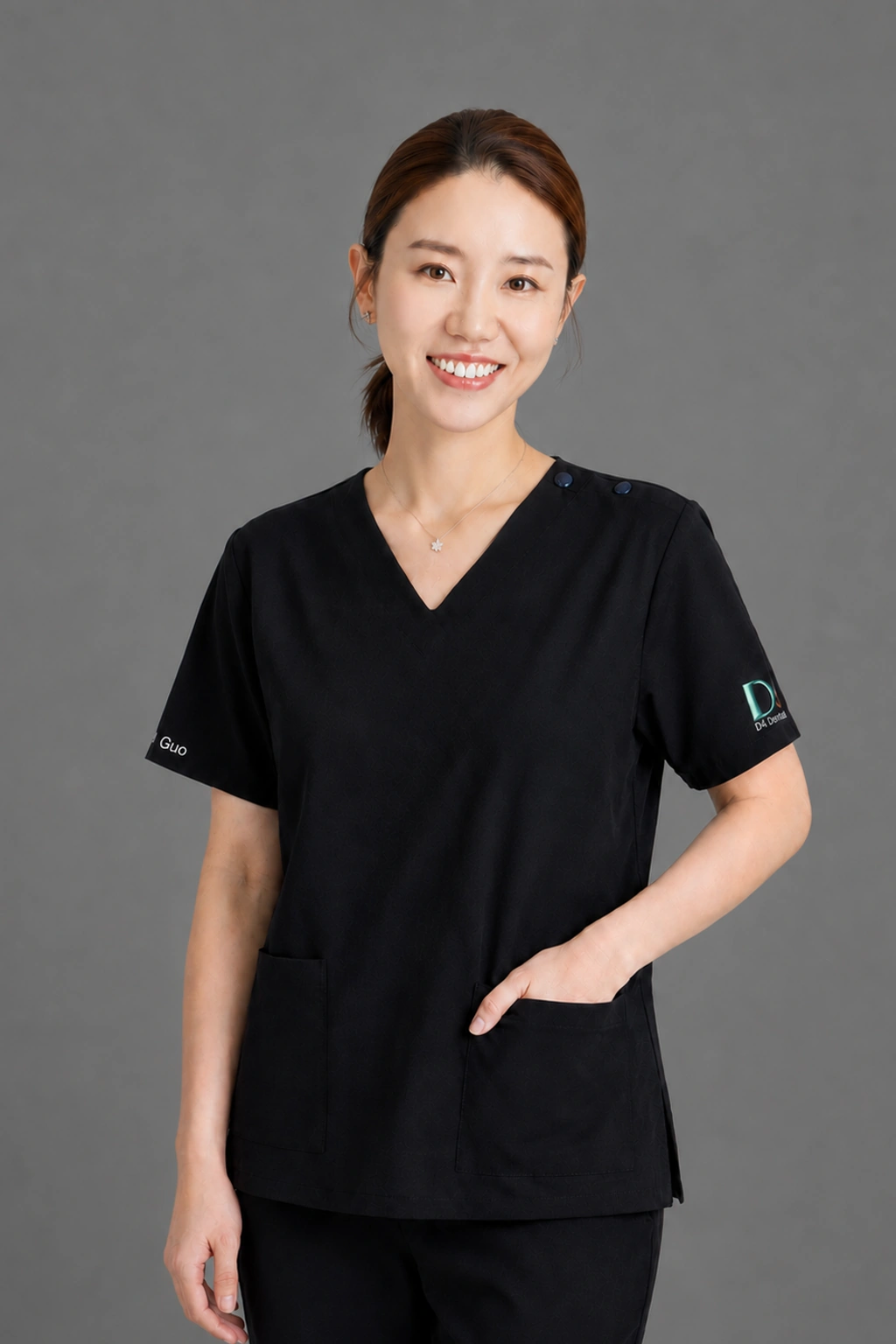
DSD Master
Collaboration
D4 case discussions bring together information gathering, facial analysis, intraoral conditions, design validation, and long-term maintenance so different clinical perspectives can form a practical treatment plan.
Explore D4's DSD approach →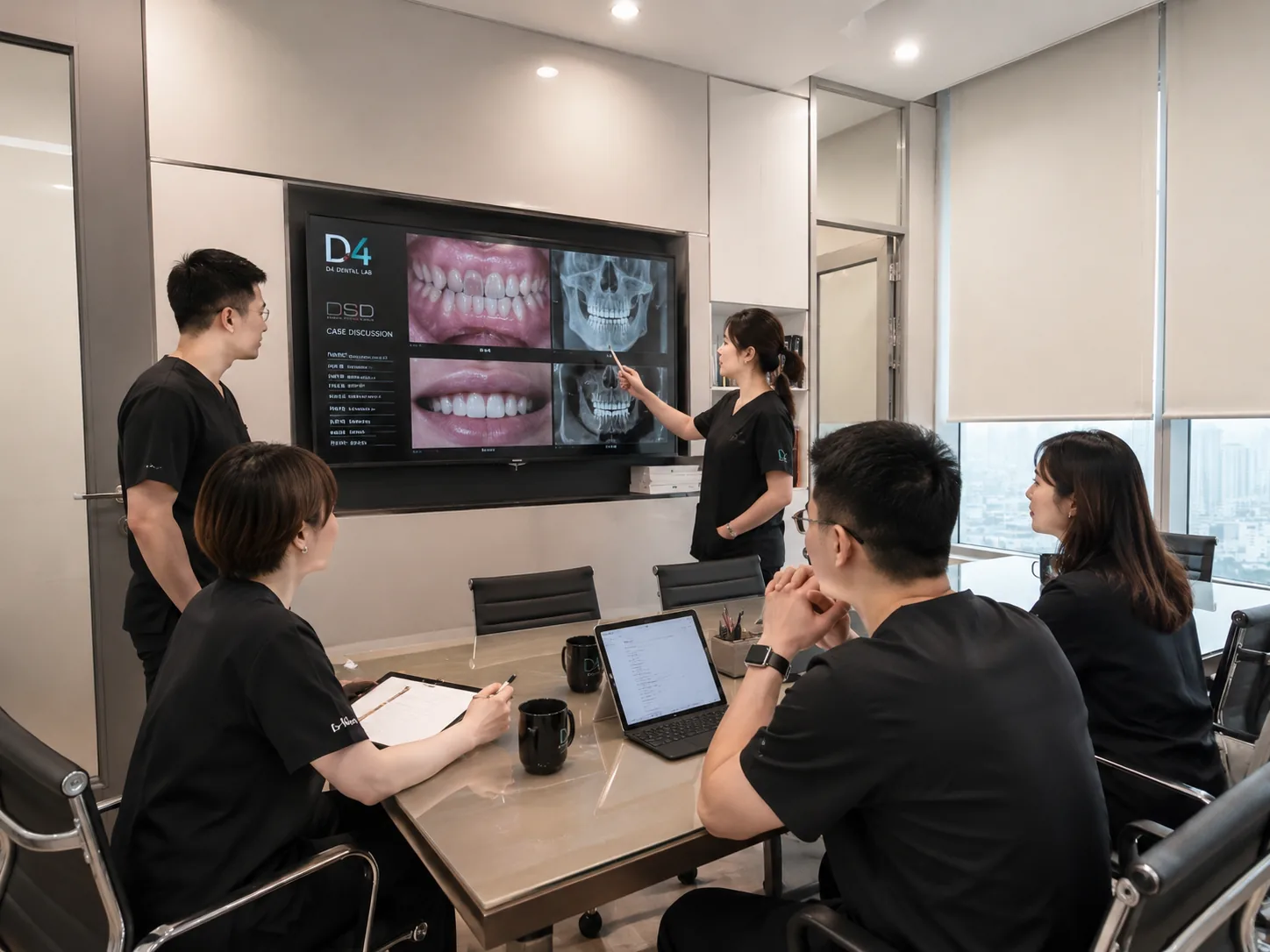
Teaching & Education
Dr. Hsu regularly takes part in clinical education for dental peers, bringing the observation, design, and decision-making behind real cases into live discussion.
Teaching focuses on how information is understood, how a plan is validated, and how clinical limitations shape the final choice.
Teaching connects digital workflows to communication, judgment, and practical clinical plans through ongoing questions and review.
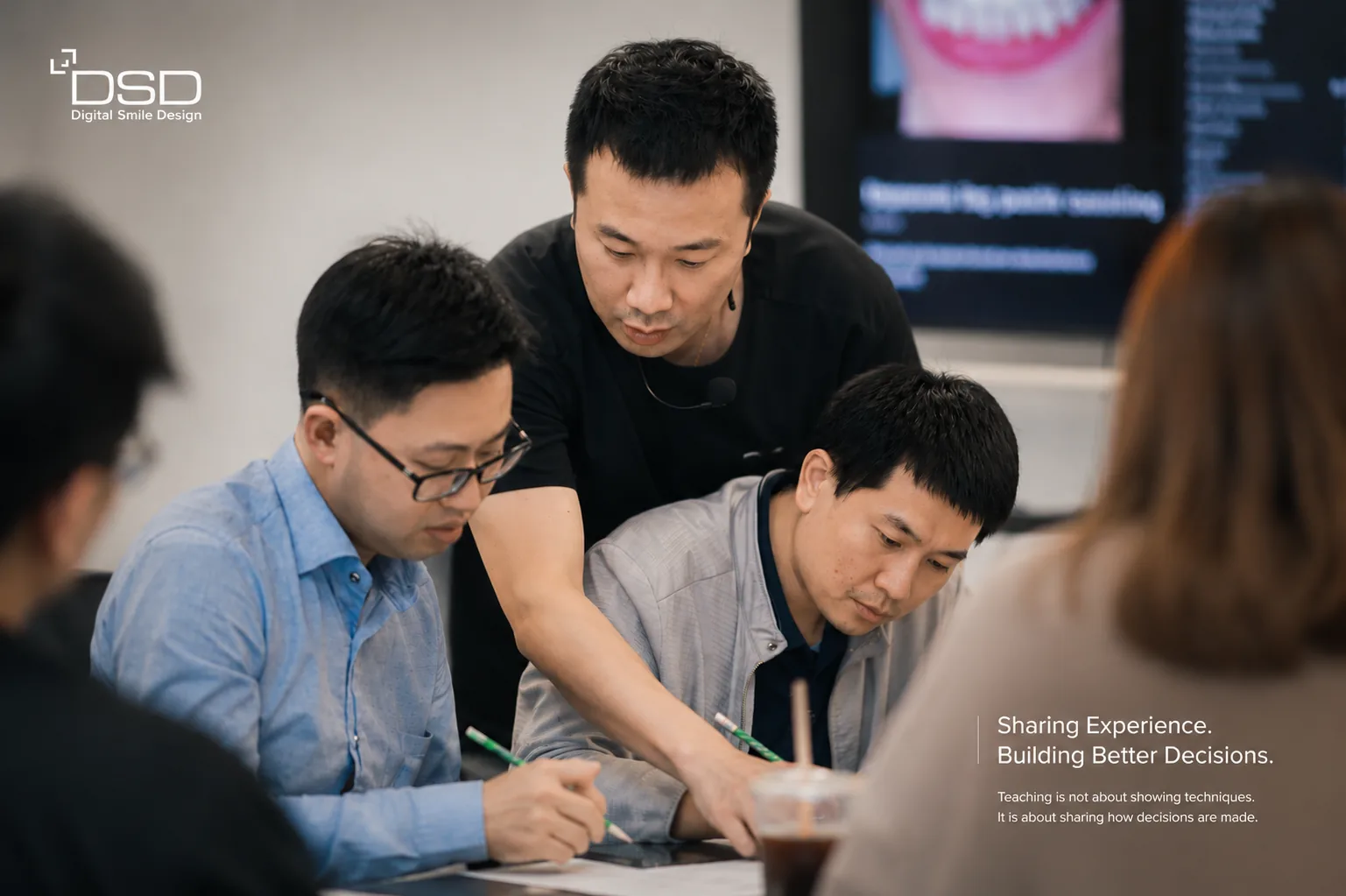
Teaching & Speaking
D4's professional practice extends beyond the clinic.
From case design discussions and digital workflow development to interdisciplinary collaboration and teaching, experience grows from real clinical work and deepens through ongoing professional exchange.
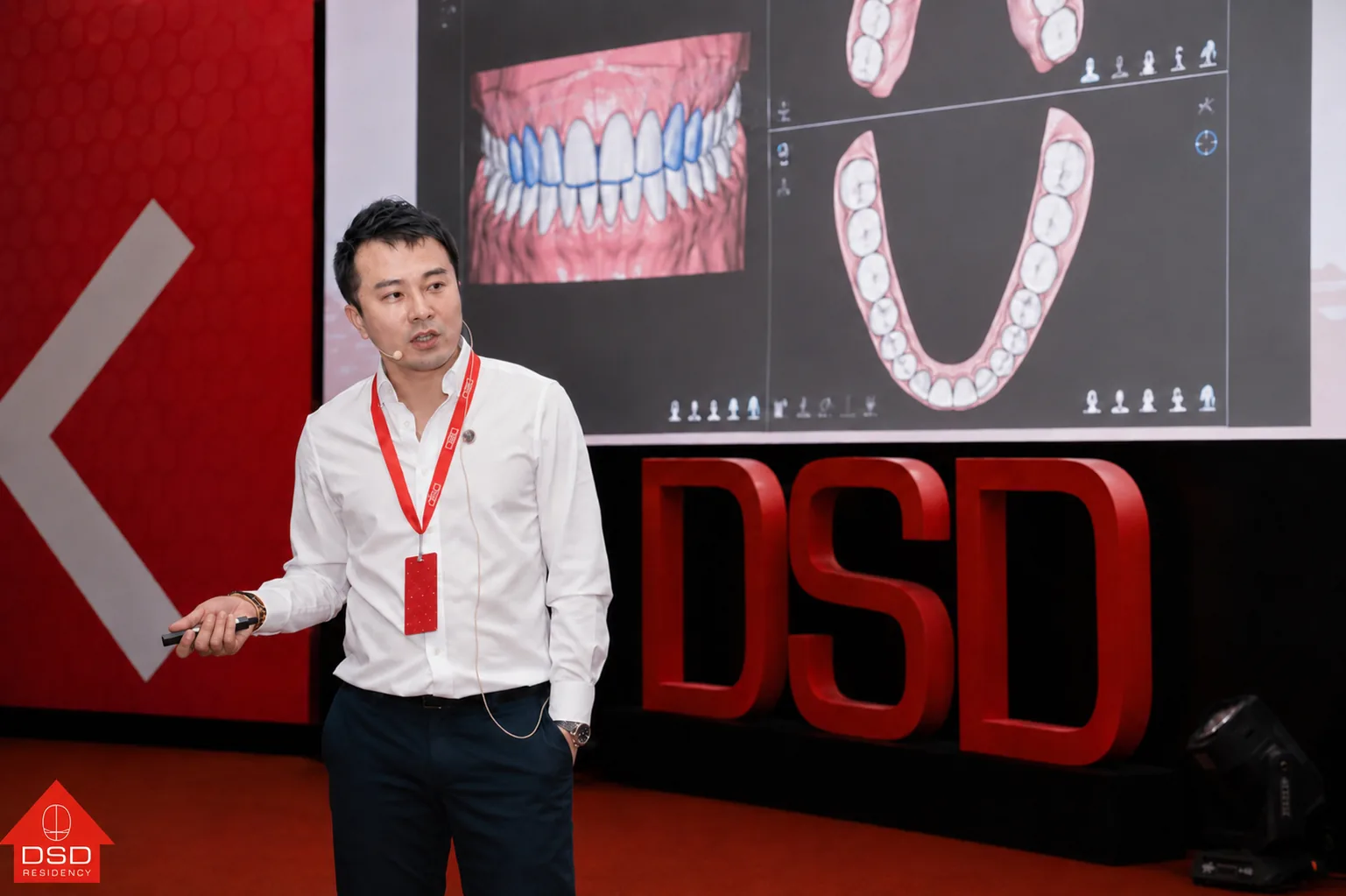
DSD Teaching
Dr. Herman Hsu has long participated in international Digital Smile Design education, case discussion, and clinical application.
His DSD Instructor, DSD KOL, and DSD Master background continues to connect Digital Smile Design, aesthetic restoration, Mockup validation, and pre-treatment planning with clinical judgment and team communication in real cases.
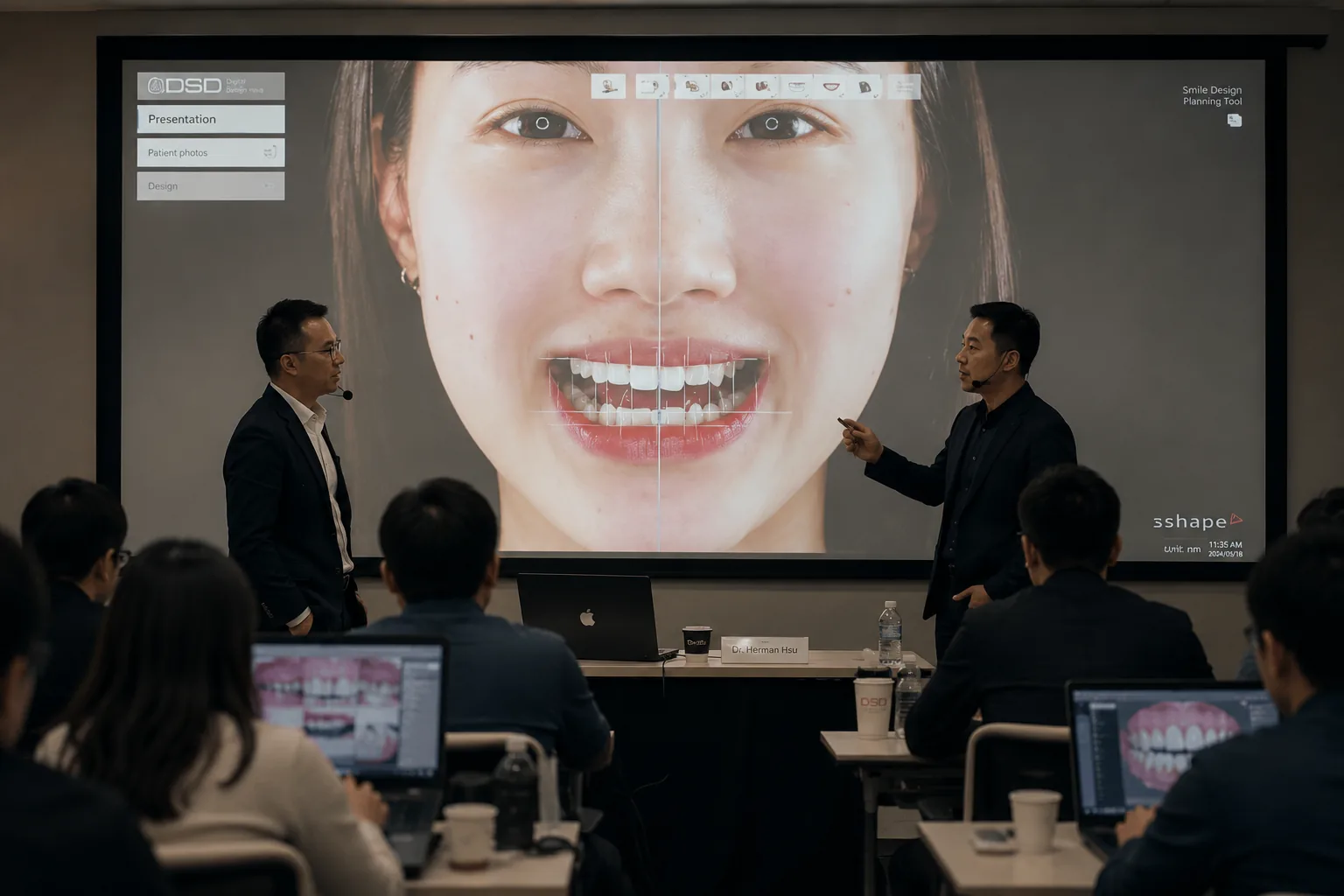
International teaching and case discussion continually bring design, communication, and clinical judgment into real treatment workflows and the shared methods used by the D4 team.
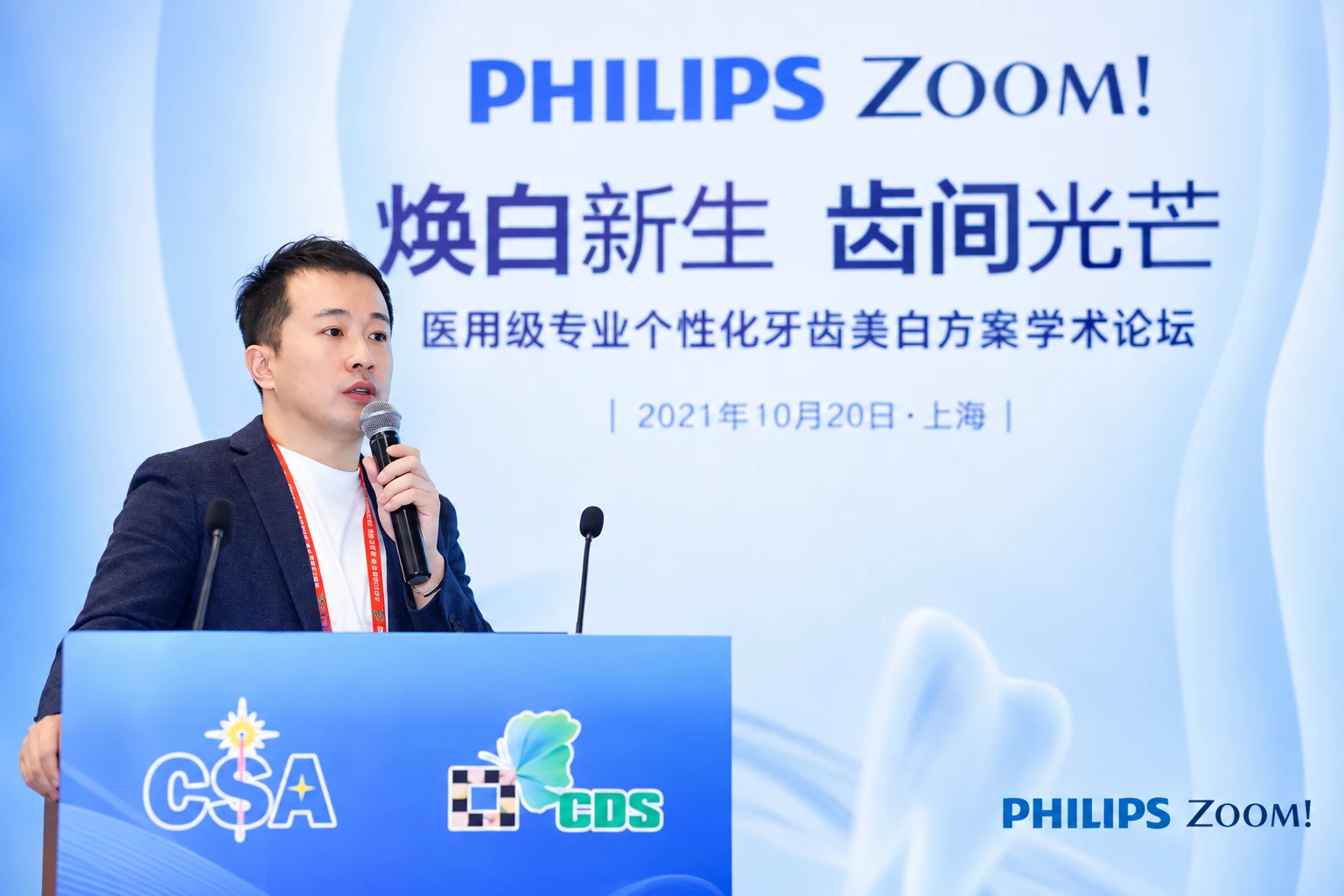
D4 founder Dr. Herman Hsu has worked with Philips for more than eight years in professional teeth-whitening training and oral-health education.
As a Philips Zoom! invited training lecturer, he has contributed to professional teaching and clinical exchange and received the “ZOOM! Whitening Leader of the Year” honor. D4 Dental Clinic is authorized as a PHILIPS ZOOM! Whitening Experience Center.
Learn about D4 teeth whitening and professional background →