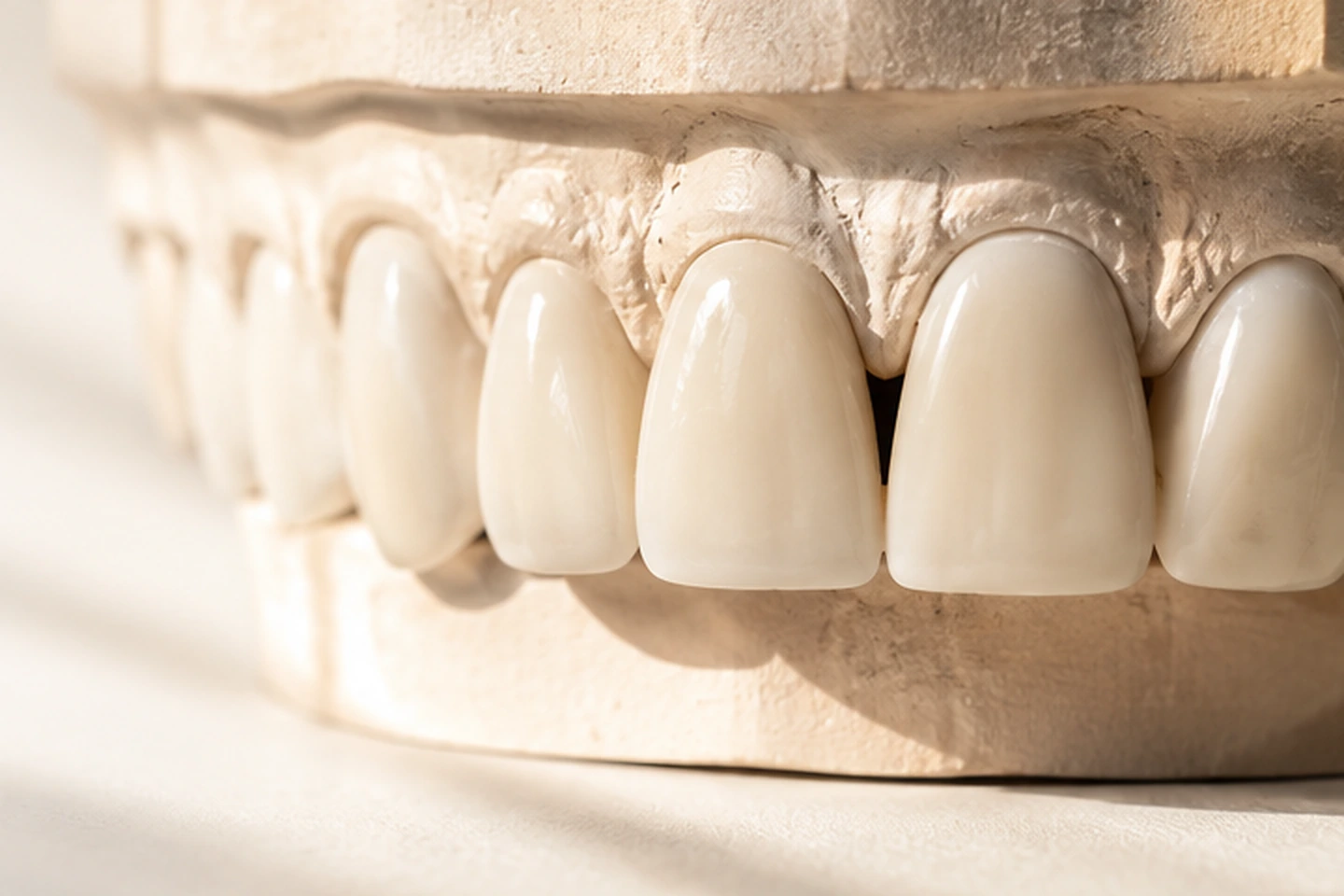
AESTHETIC RESTORATION
A front tooth gap does not always call for the same treatment. Learn how tooth position, tooth shape, periodontal support, and restorative goals influence whether orthodontics, direct composite bonding, or veneers should be considered.
BITE AND BRUXISM
Aesthetic restorations are not only about tooth color and shape. Bite, wear, and bruxism affect veneers, crowns, and long-term stability.
PEDIATRIC PREVENTION
Cavity prevention in children is not only about fluoride or sealants. It depends on caries risk, eruption stage, cleaning ability, and diet habits.
IMPLANT MAINTENANCE
Dental implants still require long-term maintenance. Cleaning access, gum stability, bite forces, and regular reviews all affect long-term outcomes.
EARLY ORTHODONTICS
Early orthodontic intervention is not about treating as early as possible. It is about observing teeth, jaws, bite, and habits during growth.
AESTHETIC RESTORATION
Understand the differences between composite resin, ceramic veneers, and ceramic crowns, and why structure, color, bite, and long-term stability matter before choosing a restoration.
TOOTH WHITENING
Teeth whitening mainly changes natural tooth color; ceramic veneers also involve changes to shape and tooth preparation. Learn about suitability, limits, sensitivity risks, and color differences with existing restorations.
VENEERS AND ORTHODONTICS
Veneers and orthodontics do not simply replace each other. Proper sequencing and space planning can reduce over-preparation and support a natural result.
DENTAL IMPLANTS
Whether an implant is suitable after tooth loss depends on bone, gum tissue, neighboring teeth, bite, and final crown space.
AESTHETIC RESTORATION
D4 Clinic explains how veneer planning evaluates tooth preparation, minimal-prep veneers, no-prep limitations, and when orthodontics should come before veneers.
ADULT ORTHODONTICS
Adult orthodontics is not about choosing brackets or clear aligners first. It begins with digital diagnosis and treatment planning using scans, photographs, imaging, and bite records before choosing the appropriate treatment method.
IMPLANT DENTISTRY
Digital implant planning begins with the final crown, combining CBCT, intraoral scanning, bite, gingival contour, guided surgery, and long-term maintenance in one restorative plan.
PEDIATRIC DENTISTRY
Early intervention is neither passive waiting nor starting treatment as early as possible. It uses digital records, space management, pediatric clear aligners, and habit guidance to build a better foundation for the child’s bite and future care.
DENTAL LASER
Dental lasers are supportive tools in modern dentistry and may be used for gum treatment, soft-tissue care, minimally invasive periodontal support, local therapy, and recovery management.
DIGITAL DENTISTRY
Intraoral scanning is not just a replacement for traditional impressions. Its real value is creating 3D records that allow treatment stages, digital design files, final restorations, orthodontic outcomes, and long-term maintenance to be compared over time.
PERIODONTAL MAINTENANCE
Periodontal disease is not only about the gums. It affects the supporting tissues and bone that keep teeth stable.
RESTORATIVE / ORTHODONTICS
Veneers can refine color, shape, and minor visual irregularities. But when the problem comes from tooth position, space, or bite, treatment sequence matters.
CBCT / 3D IMAGING
The value of CBCT is not only the 3D image itself. It helps patients, clinicians, and the treatment team discuss the same structural evidence.
DIGITAL SMILE DESIGN
DSD uses structured records to connect the face, teeth, gums, bite, and treatment goals so patients, clinicians, and technicians can build a shared understanding.
MOCKUP / CLINICAL PREVIEW
A mockup brings a proposed smile design into the mouth so the patient, clinician, and technician can review appearance, proportion, function, and design direction before treatment.
TREATMENT PLANNING
Treatment planning does not begin with choosing a procedure. It begins with understanding the concern, the clinical conditions, and the goals, and what information is still missing.